 Very hard
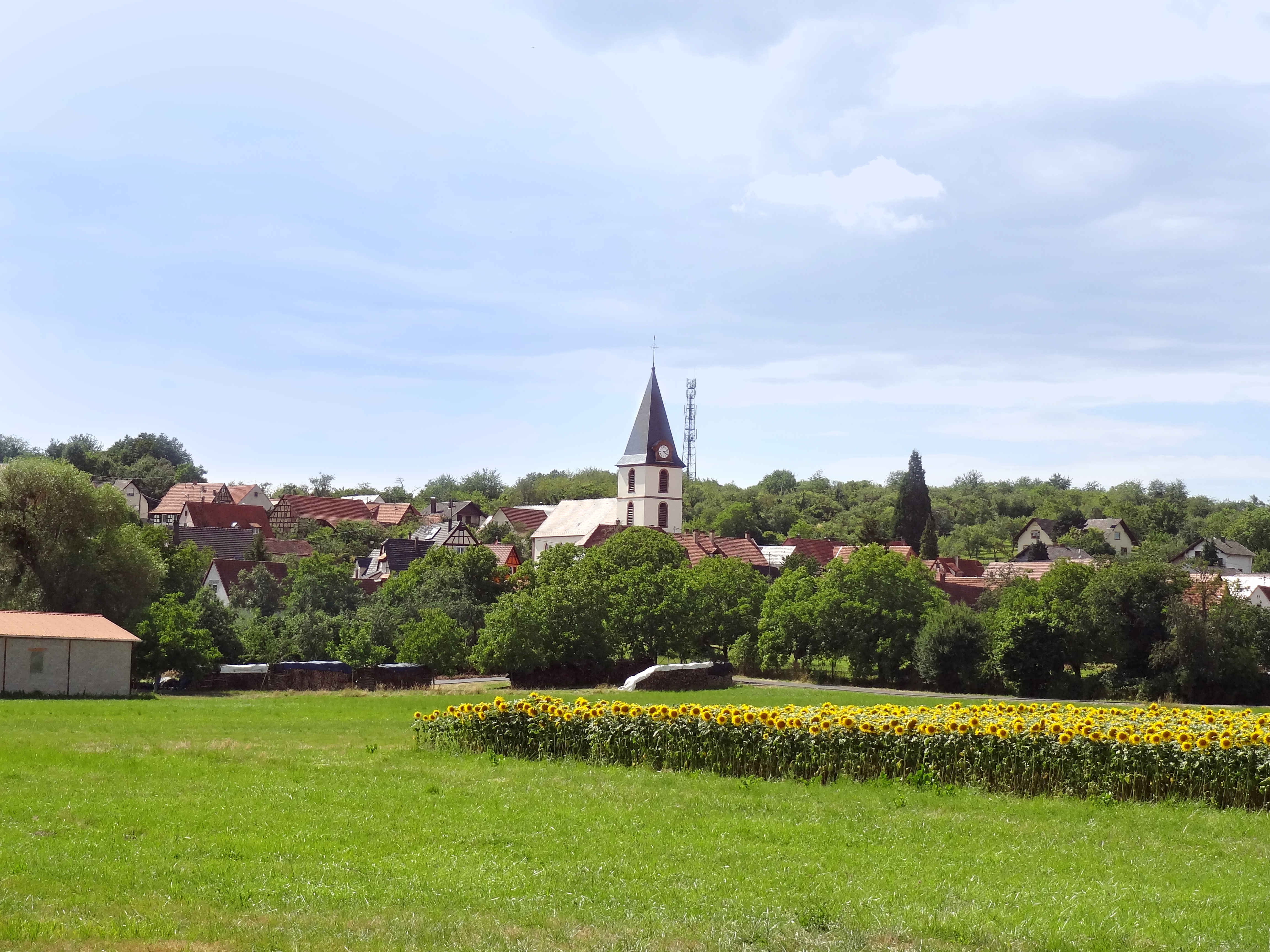
Churches, abbeys, castles, wash houses, bunkers, monuments, Gallo-Roman stele... This cycle tour will help you discover the small heritage of the Sauer Valley by taking bushwalks through the countryside and villages with their intact charm. A treat for lovers of old stones !
Attachment
- Downloadpdf
Carnet pistes cyclables
3 points of interest
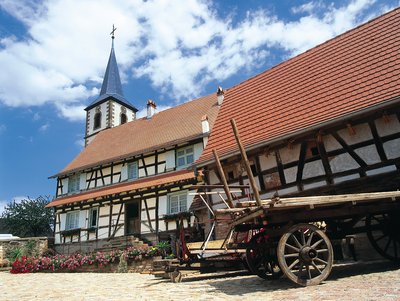
Maison rurale de l'Outre-Forêt - SYCOPARC  Museum
Kutzenhausen Rural House

Pompes à balancier utilisées pour exploiter le pétrole - J-P.Jenny MuseumFrench Museum of Petroleum of Merkwiller-Pechelbronn
The first oil-mining site in Europe! Already famous at the end of the Middle Ages for the healing properties of its oil, the area around Pechelbronn knew a significant industrial growth in the mid-19th century. The Oil Museum presents the history of the first European site where oil was refined till the refinery ceased its activity in 1970. From geology to the techniques of exploitation by excavating galleries and drilling, the various themes help us understand the importance of the site at the beginning of the 20th century.
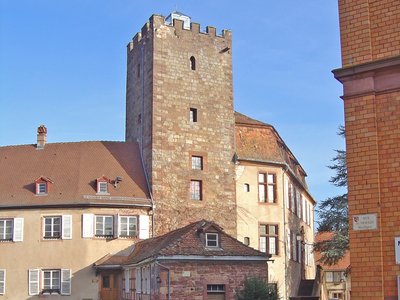
Château de Woerth  Castle-church-abbey
Woerth Chateau
This castle, listed as a historic monument in 2002, dates back to the 14th century. It was restored after the Thirty Years War, and again after a fire on the first floor apartments. At the Revolution, the castle was sold in several lots. It was restored once again in 1925 before being acquired by the city in 1977, where the town hall and social services were installed. Today, it also houses the Museum of the Battle of August 6, 1870.
Forecast
Biodiversity around this trek
Altimetric profile
Sensitive areas
A quiet zone is not a legally mandated area; rather, it refers to areas considered conducive to the activities of sensitive species that have a critical need for quiet (feeding, migration, reproduction, giving birth, raising young, hibernation, and seeking mates).
Adopt the 5 “Quiétude Attitude” best practices and help preserve the peace and quiet of wildlife!
No. 1 I familiarize myself with quiet zones and the regulations
No. 2 I stay on marked trails
No. 3 I respect the silence of nature
No. 4 I keep my pet on a leash
No. 5 I prioritize daytime activities
The “Quiétude Attitude” program raises public awareness about the best practices to follow in natural environments to preserve the tranquility of animal species.
Translated with DeepL.com (free version)
- Impacted practices:
- Aerial, , Underground, Land, Vertical
- Sensitivity periods:
- JanFebMarAprMayJunJulAugSepOctNovDec
- Contact:
Contact : Parc naturel régional des Vosges du Nord
Maison du Parc / Château de La Petite-Pierre
2, place du château | 67 290 La Petite-Pierre
+33 (0)3 88 01 49 59
contact@parc-vosges-nord.fr
Report a problem or an error
If you have found an error on this page or if you have noticed any problems during your hike, please report them to us here: